Why see Kabuki at the Kabukiza
Why see Kabuki at the Kabukiza
The only theatre built for Kabuki alone
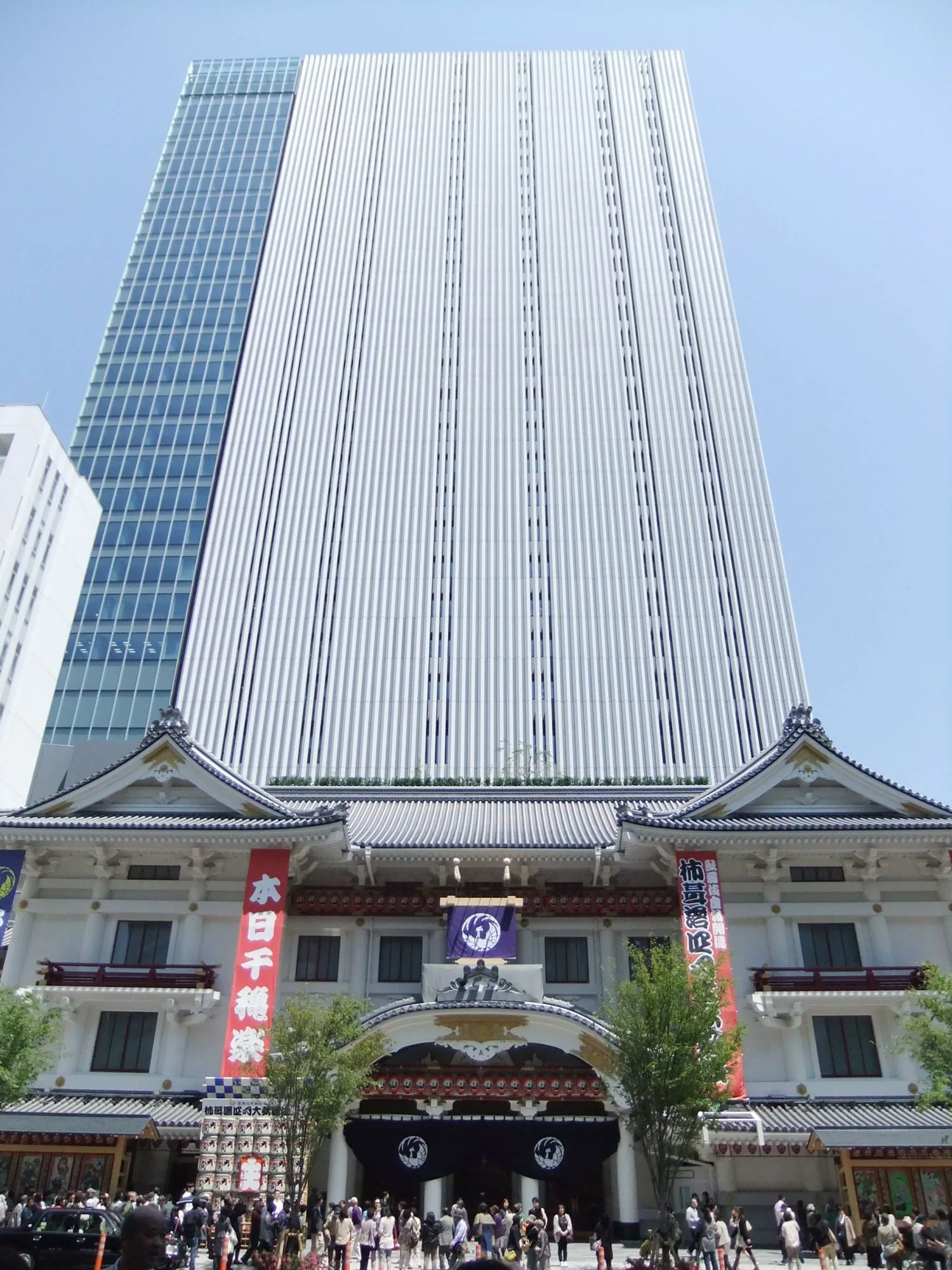
The Kabukiza, first opened in 1889 and rebuilt several times since (most recently in 2013), is the only theatre in the world dedicated exclusively to Kabuki — a landmark of Japanese performing arts in the heart of Ginza.
A four-century-old art form
Kabuki dates to the early 1600s, blending stylised dance, dramatic dialogue and elaborate costume and makeup — its exaggerated mie poses and kumadori face-painting are instantly recognisable symbols of Japanese theatre.
Genuinely accessible to visitors
Earphone guides in English and simplified Chinese explain the plot, characters and staging as the performance unfolds, and single-act tickets let first-timers sample Kabuki without committing to a full multi-hour programme.
How a Kabuki programme unfolds
How a Kabuki programme unfolds
A Kabuki visit at the Kabukiza can run from a single act to a full multi-hour programme. Here's the general shape of a performance.
Arrival
Into the Kabukiza
The traditional tiled facade opens into a modern theatre complex; earphone guides and programme notes are available for visitors before the performance begins.
Opening
The first act
Programmes typically bundle several distinct plays or dance pieces in one visit, each with its own story, music and staging style.
The mie pose
Frozen, dramatic poses
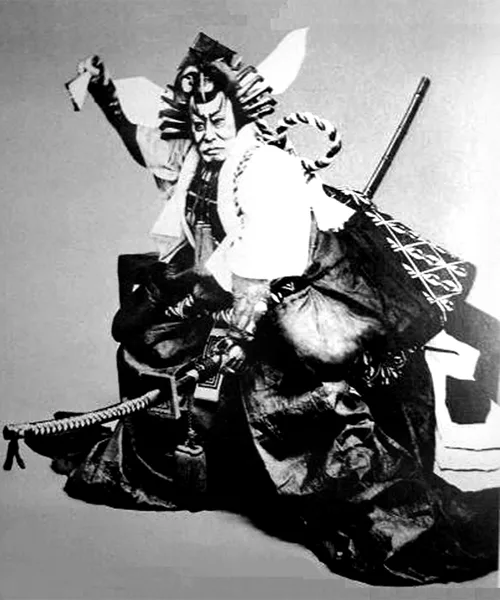
At a scene's dramatic peak, an actor holds a striking frozen pose — the mie — often to a rhythmic wooden-clapper accent, one of Kabuki's most recognisable conventions.
Kumadori
Painted faces in close-up
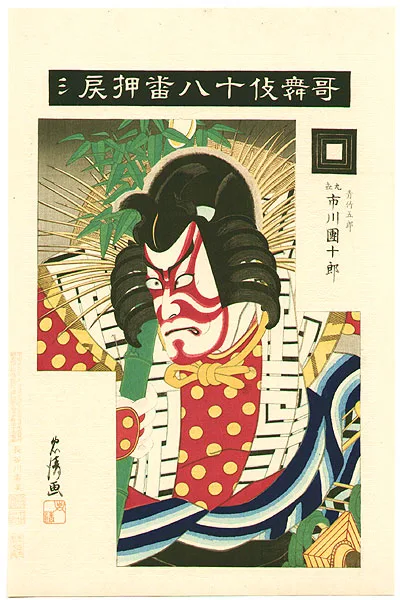
In more stylised plays, actors wear bold kumadori makeup — red for heroism and passion, blue or black for villainy or the supernatural — visible clearly even from the upper seats.
Interval
Between acts
Longer programmes include intervals, when many visitors pick up a bento box — a Kabukiza tradition in its own right.
Finale
The closing act
The programme closes with its final piece, often the most visually elaborate of the day, before the audience files back out into Ginza.
Inside the Kabukiza, Ginza
Inside the Kabukiza, Ginza
The Kabukiza sits in Ginza, one of Tokyo's grandest shopping districts — here's what to know before you go.
A landmark building
The current Kabukiza (2013) preserves the traditional castle-like facade of its predecessors while housing a modern tower behind it — a striking mix of heritage design and contemporary Tokyo.
Full programme or single act
A full day's programme can run several hours across multiple plays; single-act tickets (hitomaku-mi) let visitors see just one act from an upper-level gallery, a good option for a first taste of Kabuki.
Central Ginza location
The theatre sits directly above Higashi-Ginza Station, making it one of the easiest major Tokyo venues to reach by train from almost anywhere in the city.
On the day
English and simplified Chinese earphone guides are available for rent; smart casual dress is fine, and photography is generally not permitted during the performance itself.
Kabuki, in pictures
Kabuki, in pictures
The painted faces, the dramatic poses and the theatre itself.
Ticket options & what's included
Ticket options & what's included
| Option | What it includes | Good to know |
|---|---|---|
| Full programme admission | A full day's Kabuki programme, seated | The complete Kabuki experience |
| Single-act ticket | One act only, upper-level gallery seating | Good, low-cost first taste of Kabuki |
| With earphone guide | Above, plus English/Chinese narration | Recommended for first-time visitors |
| Premium seating | Better-located seats in the main hall | Best view of the stage and makeup detail |
Ways to see Kabuki in Tokyo
Find a Kabukiza performance for your dates
Every option below is bookable through GetYourGuide, with live availability and the final price shown in your own currency before you pay.
Planning your visit
Planning your visit
Start with a single act if unsure
If you're new to Kabuki or short on time, a single-act ticket is an easy, low-commitment way to experience the art form before deciding whether to book a full programme another day.
Rent the earphone guide
The English (or simplified Chinese) earphone guide explains plot, characters and staging conventions as they happen — genuinely useful for following a centuries-old story told in stylised, formal Japanese.
Check the current programme
The Kabukiza's programme changes through the year — check the live listing for what's showing on your travel dates before booking.
Arrive with time to explore
The Kabukiza complex includes shops and a small gallery on the basement level worth a look before curtain, and it sits directly above a major Ginza train station.
Booking flexibility
Listings offer free cancellation up to 2 days before, so you can lock in a Kabuki visit without losing flexibility in your Tokyo itinerary.
Planning a Kabuki visit in Tokyo
Planning a Kabuki visit in Tokyo
GEO/FAQ
Kabukiza theatre questions
What is Kabuki?
Kabuki is a stylised form of Japanese theatre dating to the early 1600s, combining dramatic dialogue, dance, elaborate costume and distinctive makeup. The Kabukiza in Ginza is the only theatre in the world built exclusively for Kabuki performances.
What is kumadori makeup?
Kumadori is the bold, exaggerated face-painting used in certain Kabuki roles — red lines typically signal heroism or passion, while blue or black indicate villainy or supernatural characters. It's one of Kabuki's most recognisable visual conventions.
Can I understand it without speaking Japanese?
Yes — English and simplified Chinese earphone guides are available for rent, explaining the plot, characters and staging as the performance unfolds, making Kabuki genuinely accessible to first-time visitors.
Should I book a full programme or a single act?
A full programme runs several hours across multiple plays; a single-act ticket (hitomaku-mi) lets you see just one act from upper-level gallery seating at a lower price — a good way to try Kabuki for the first time.
What is the mie pose?
The mie is a dramatic, frozen pose an actor strikes at a scene's emotional peak, often accented by rhythmic wooden clappers — one of the most visually striking and recognisable Kabuki conventions.
How do I get to the Kabukiza?
The Kabukiza sits directly above Higashi-Ginza Station in central Tokyo, making it one of the easiest major theatres in the city to reach by train from almost any district.
Still deciding which programme to see?
Leave your email and roughly when you're in Tokyo — we'll send a short rundown of how a Kabuki programme works and how to book.